Discover the everyday habits quietly sabotaging your budget. Learn realistic, Aussie-approved strategies for 2025 to save smarter on groceries, utilities, streaming, transport, and daily purchases.
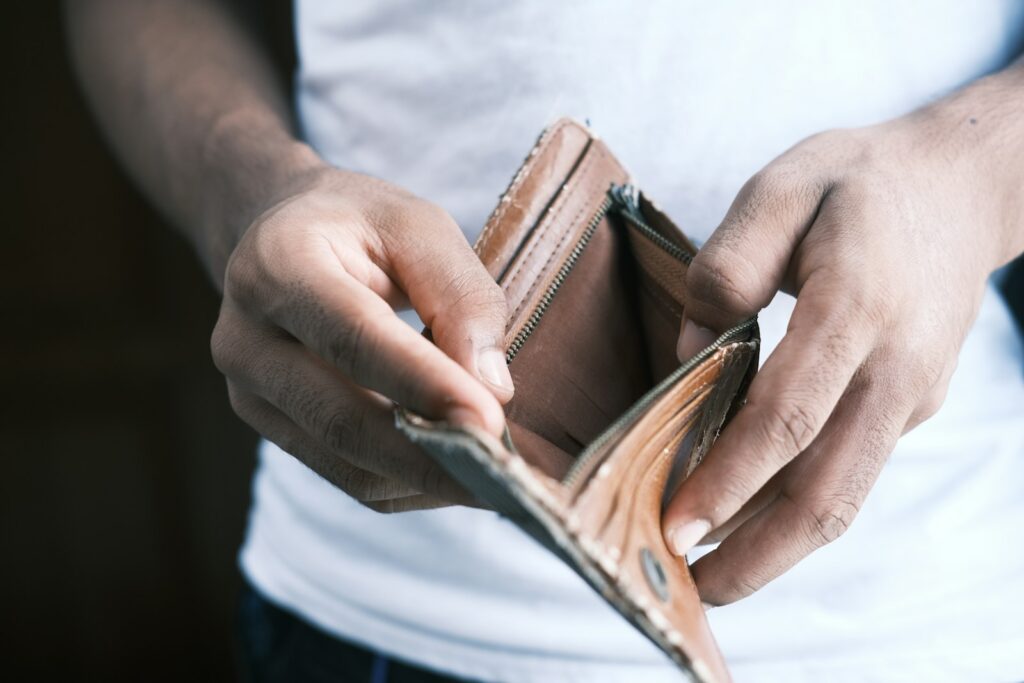
Emma’s Realisation: The Hidden Leaks in Her Wallet
Emma, a Sydney nurse, prided herself on being “good with money”. She budgeted carefully, paid her mortgage on time, and avoided big impulse splurges. Yet, her bank balance always seemed tighter than expected. It wasn’t one big mistake — it was dozens of tiny leaks.
A second takeaway coffee here, a streaming service she barely used there, and last-minute grocery runs that always ended up $40 over budget.
After one particularly busy week, Emma decided to track every dollar for a month. What she discovered shocked her: small daily decisions were draining over $500 every month — money that could’ve gone into her savings account.
Her story is familiar to millions of Australians, especially heading into 2025 where the cost of living remains high and essentials like fuel, rent, and groceries stretch household budgets.
Here are the seven daily habits that quietly drain your wallet, and how to fix them without sacrificing your lifestyle.
1. Coffee and Takeaway Culture: Those Small Luxuries Add Up
There’s nothing like a good flat white on the way to work, but $5 a day adds up to around $1,200 per year. Australians love their caffeine culture, but daily coffee stops and lunches on the go are hidden expense traps.
Emma switched to brewing her own coffee and meal-prepping lunches three times a week, saving around $250 monthly. She still treats herself once or twice weekly — it’s about balance, not deprivation.
Simple fix:
- Invest in a quality reusable coffee cup.
- Buy beans in bulk and use reward apps at local cafés.
- Cook one extra dinner portion for next-day lunches.
2. Subscription Overload: Paying for What You Don’t Use
Streaming, cloud storage, gym memberships, software — subscriptions have quietly taken over Australians’ budgets. According to spending data reports, one in five Australians plan to cancel a streaming service in 2025 due to rising costs.
Emma found she was paying for five streaming platforms, two of which she hadn’t opened in months!
Simple fix:
- Audit subscriptions monthly. Cancel unused ones immediately.
- Rotate streaming services — subscribe to one per month based on shows you’re watching.
- Use family sharing or bundle offers (e.g., Spotify + Hulu combo) to share costs.
Estimated savings: $400–$600 per year.
3. Grocery Shopping Without a Plan
Supermarkets are designed to encourage overspending, from strategic item placement to “buy two, get one” offers.
Emma often visited the store four times a week, buying what she thought she needed but forgetting what was already at home. On average, Australians throw away $1,200–$1,500 of food annually.
Simple fix:
- Plan meals in advance and shop online using click-and-collect options to avoid impulse aisles.
- Check unit pricing to spot cheaper bulk options.
- Cook double and freeze leftovers.
You can save $25–$50 weekly just by making a shopping list and sticking to it.
4. “Tap-and-Go” Spending Without Tracking
Cashless convenience is great, but it also masks spending awareness. Nearly half of Australians admit they lose track of where their money goes due to contactless payments.
Emma started using budgeting tools through her banking app to categorise spending — groceries, dining, entertainment. The visual graphs made her rethink unnecessary transactions.
Simple fix:
- Set card app spending limits.
- Switch to a “cash envelope” or digital tracking system for weekly spending.
- Delay discretionary purchases 24 hours before confirming.
5. Energy and Utility Waste at Home
Leaving lights on, overusing heating or cooling, and keeping devices on standby can quietly inflate your power bill. The average Australian household could save $300–$600 annually by adjusting simple energy habits.
Simple fix:
- Turn off “vampire appliances” like TVs and consoles at the wall.
- Use energy-efficient bulbs and schedule appliance use outside peak hours.
- Lower heating by 1°C to cut electricity use by up to 10%.
- Compare energy plans annually through government comparison sites.
6. Impulsive Online Shopping: The Scroll That Costs You
Australians enjoy browsing their favourites — Amazon, eBay, and Afterpay-linked stores — especially between 7–10 PM, weekends being the peak shopping period.
Emma realised her “just browsing” habit ended up with $300 worth of clothing and home décor monthly — most of which was forgotten later.
Simple fix:
- Leave items in the cart for 48 hours; most sites send discount reminders.
- Unsubscribe from marketing emails and social media ads.
- Set a monthly “fun” budget for treats to stay in control.
Potential savings: $1,000–$2,000 annually.
7. Ignoring Loyalty Rewards and Cashback Programs
Many Aussies overlook reward points, coupon apps, and fuel-lock savings, essentially leaving money on the table.
Emma began using petrol apps and stacking loyalty points. She saved $15–$20 per week on fuel and groceries alone.
Simple fix:
- Use fuel price apps or cashback credit cards responsibly.
- Shop where your loyalty points are worth most.
- Check for cashback offers before big purchases (Cashrewards, ShopBack).
Beyond the Habits: Long-Term Financial Habits to Build Wealth
Once Emma cut down on wasteful spending, her next step was automating savings. She used round-up apps that save small change from every purchase. Financial experts recommend saving or investing at least 10% of your income monthly to fight inflation and build a secure cushion.
Other smart habits to adopt:
- Use automatic transfers into a high-interest savings account.
- Bundle insurance policies for discounted rates.
- Renegotiate mobile, electricity, and internet contracts every 6–12 months.
- Sell unused items through Gumtree or Facebook Marketplace to declutter and earn.
FAQs on Saving More in 2025
Q. Is budgeting still effective in this high-cost environment?
Yes. Transparent budgeting lets you see where money leaks happen. Many Aussies find budgeting apps like Frollo or Wisr crucial for awareness.
Q. How do I stay motivated to save?
Set specific goals (e.g., $5,000 for an emergency fund). Reward yourself for milestones in non-financial ways—like a day trip or picnic instead of shopping.
Q. What’s the best way to start saving if you live paycheck to paycheck?
Start small—automate $10–$20 weekly. Gradual habits create sustainable change.
The Outcome: Emma’s Financial Reboot
After three months of tracking, Emma reduced her monthly expenses by an incredible $530 without feeling deprived. The extra cash went toward her first family holiday in years—fully paid in cash.
Her takeaway? “Financial freedom isn’t about earning more; it’s about being mindful of where every dollar goes.”
Call to Action
Want to uncover your hidden spending leaks and save smarter in 2025? Start by tracking your next seven days of expenses… every coffee, every tap, every click.
Then tackle one habit at a time. Visit au.savewithrupee.com for more hands-on Aussie money strategies, budgeting tools, and real-life stories that help you stretch every dollar further.