Learn the essentials of health insurance in Australia for 2025. Understand the types of cover, average costs, government incentives, and what to consider before choosing your policy.
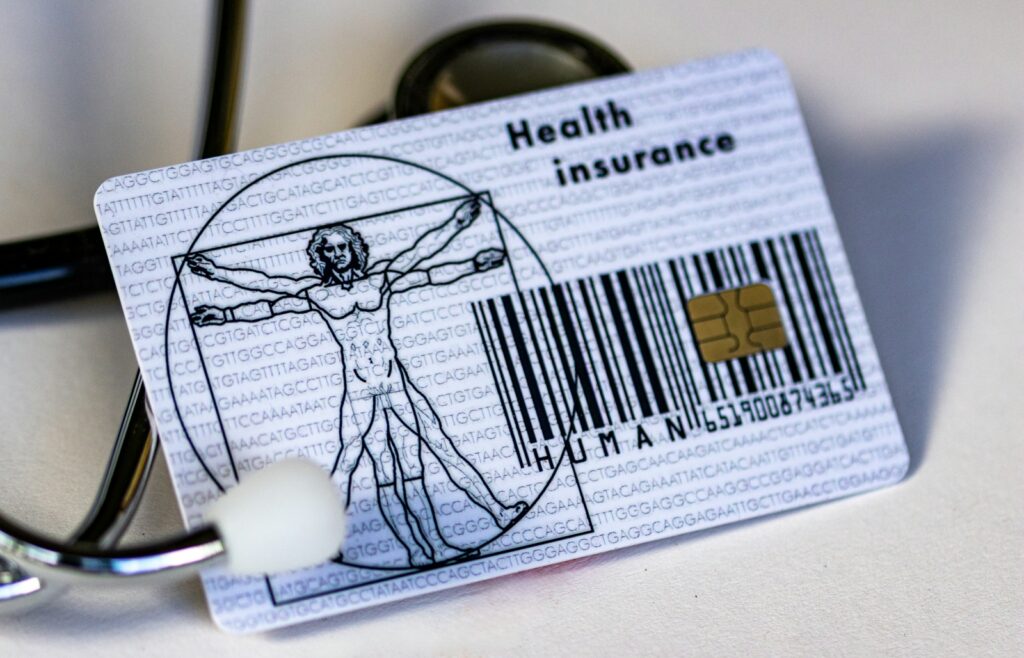
Health Insurance Basics: What Australians Must Know in 2025
Private health insurance is a personal choice for many Australians, offering greater flexibility, shorter wait times, and coverage for services not included under Medicare. But with costs rising and policies ever-changing, it’s essential to know the latest facts before making decisions for yourself or your family.
What Does Private Health Insurance Cover?
There are three main types of private health insurance in Australia:
1. Hospital Cover:
Pays some or all costs for treatment and accommodation as a private patient in public or private hospitals. You can choose your doctor or specialist, and often get access to a private room and shorter waiting times for elective procedures.
2. Extras Cover (General Treatment):
Pays for out-of-hospital services that Medicare doesn’t cover, such as dental, optical, physio, chiro, and sometimes even gym memberships.
3. Ambulance Cover:
Medicare doesn’t pay for ambulance transport in most states, so private ambulance cover is either essential or highly recommended, depending on where you live.
Policies can be separate or bundled as “package” cover, combining hospital, extras, and ambulance protection.
How Much Does Private Health Insurance Cost in 2025?
Premiums vary based on age, location, cover type, and provider. Here are recent national averages:
| Cover Type | Single (Monthly) | Couples (Monthly) | Families (Monthly) |
|---|---|---|---|
| Hospital, Basic Tier | $85 – $150 | $169 – $250 | $174 – $270 |
| Hospital, Gold Tier | $200 – $270 | $350 – $525 | $380 – $541 |
| Extras Only | $57 | $115 | $124 |
| Combined, Mid-Tier | $150 – $200 | $270 – $350 | $320 – $400 |
Generally, the cheapest hospital cover (“Basic” policies) only covers you for limited situations like after accidents or a handful of services, while “Gold” policies cover all in-hospital treatments and extras.
How Does the Government Help With Private Health Insurance?
There are three key government incentives to encourage Australians to take out and keep private health insurance:
1. Private Health Insurance Rebate:
Most Australians with hospital and/or extras cover get a rebate (discount) on premiums, paid as a reduction in your insurance bill or claimed via your tax return. The % depends on your age and income—for singles earning up to $97,000/year, it’s up to 24.6% if you’re under 65, with higher rebates for older groups.
2. Medicare Levy Surcharge (MLS):
If you earn above $97,000 (singles) or $194,000 (families) and don’t have hospital cover, you pay an extra 1-1.5% in tax.
3. Lifetime Health Cover Loading:
If you don’t have hospital cover by 1 July following your 31st birthday, your premiums will go up by 2% for every year you delay—up to 70% higher. Keep paying on time for 10 years and the loading is removed.
Do All Australians Need Private Health Cover?
- Medicare covers everyone for most public hospital and GP care, so it’s not mandatory to have private insurance.
- However, private insurance lets you choose your doctor, avoid long wait times for elective surgery, and get better hospital comforts.
- Extras like dental, glasses, and physio aren’t covered by Medicare—so extras insurance helps if you use those services.
What to Check Before You Buy
- Level of Cover: Does it fit your health history, age, family needs, and budget?
- Waiting Periods: Most new policies require 2-12 months before you can claim on certain treatments (and 12 months for pre-existing conditions or pregnancy).
- Inclusions & Exclusions: Read your Product Disclosure Statement (PDS) carefully to know what’s covered and what isn’t.
- Excess Fees: A higher excess often means lower premiums, but more out-of-pocket when admitted.
- Government Incentives: Make sure you claim your rebate and avoid unnecessary tax.
Table: Quick Health Insurance Checklist for Australians (2025)
| Step | Action | Pro Tip |
|---|---|---|
| Decide What You Need | Hospital, Extras, Ambulance, or Combo? | Factor in current health and family plans. |
| Set Your Budget | Choose cover you’ll actually use | Balance premiums vs. expected benefits. |
| Check Government Support | See if you’re eligible for a rebate, MLS, LHC | Use ATO and insurer calculators. |
| Compare Policies | Use government and comparison sites | Don’t just go with your health fund’s ad! |
| Read the PDS | Know all inclusions and limits | Ask questions about anything unclear. |
| Review Annually | Needs change—so should your policy | Switch providers if you find a better deal. |
FAQs: Health Insurance for Aussies in 2025
Q: Is private health insurance worth it?
A: If you want choice, shorter hospital waits, and extras like dental/optical, yes. For healthy young people, the value may come from avoiding extra tax and future penalty loadings.
Q: Will premiums go up this year?
A: Premiums rose 3.73% in April 2025. Always check for better deals near renewal.
Q: Is ambulance cover included?
A: Not always—double check if your fund includes it or if you need to buy separately (especially in QLD and Tas, where it’s government-provided).
Q: What if I have a pre-existing medical condition?
A: You can’t be refused insurance, but most policies impose a 12-month waiting period for claiming expenses related to that condition.
Q: Can expats or students get covered?
A: Yes, but some visa types Nrequire special Overseas Visitor Health Cover (OVHC) or Overseas Student Health Cover (OSHC).
Call to Action: Make Smarter Health Cover Choices
Private health insurance gives Australians more choice and peace of mind—but only if you pick the right plan for your needs and budget. Review your policy every year, shop around, and ask your insurer about government rebates and hospital cover requirements to save money and boost your benefits.
For more up-to-date, Aussie-specific health insurance tips and clear, practical guides, visit au.savewithrupee.com—your mate for smarter financial and health decisions.